Warm Mix Asphalt: A Sustainable Service for Pavement
Hot Mix Asphalt (HMA) has actually arised as a leading sustainable choice for sidewalk services, providing a myriad of environmental benefits and innovative modern technologies. As the need for environment-friendly building methods expands, checking out the nuances of HMA's sustainability can offer important insights right into the future of pavement remedies.
Environmental Advantages of Hot Mix Asphalt

In Addition, Hot Mix Asphalt helps to minimize city warm island results. Its dark color soaks up sunlight, reducing the amount of warmth reflected back right into the atmosphere contrasted to lighter-colored sidewalks. This can lower ambient temperature levels in urban areas, lowering the demand for cooling and ultimately minimizing power consumption.
Furthermore, Hot Mix Asphalt adds to enhanced stormwater monitoring. Its porous nature allows water to charge and penetrate the sidewalk groundwater products, reducing runoff and the danger of flooding. These environmental advantages make Warm Mix Asphalt a lasting selection for leading roads and freeways.
Energy Effectiveness in HMA Manufacturing
Is power efficiency a crucial factor in the manufacturing of Warm Mix Asphalt (HMA)? Energy plays a significant function in the production of HMA, impacting both price and environmental sustainability. One key facet of energy performance in HMA manufacturing is the use of cozy mix asphalt (WMA) innovations.
Furthermore, improvements in plant technologies have actually led to even more energy-efficient HMA production procedures. By optimizing power use in HMA production, the sector can decrease its carbon impact while keeping premium pavement products.
Recyclability of Warm Mix Asphalt
The recyclability of Hot Mix Asphalt (HMA) is a critical facet of its sustainability and lasting environmental influence. HMA is one of the most recycled products in the USA, with over 100 million loads of redeemed asphalt pavement (RAP) being reused every year in new pavement building and construction. Recycling HMA provides a number of environmental advantages, such as lowering the demand for virgin products, lowering energy usage during production, and reducing the amount of waste sent to land fills.
The process of reusing HMA involves crushing the existing sidewalk, crushing it into smaller sized items, and blending it with brand-new aggregate and asphalt binder to create a recycled mix. Overall, the recyclability of HMA plays a substantial duty in advertising sustainable practices within the sidewalk market.
Long-Term Performance of HMA
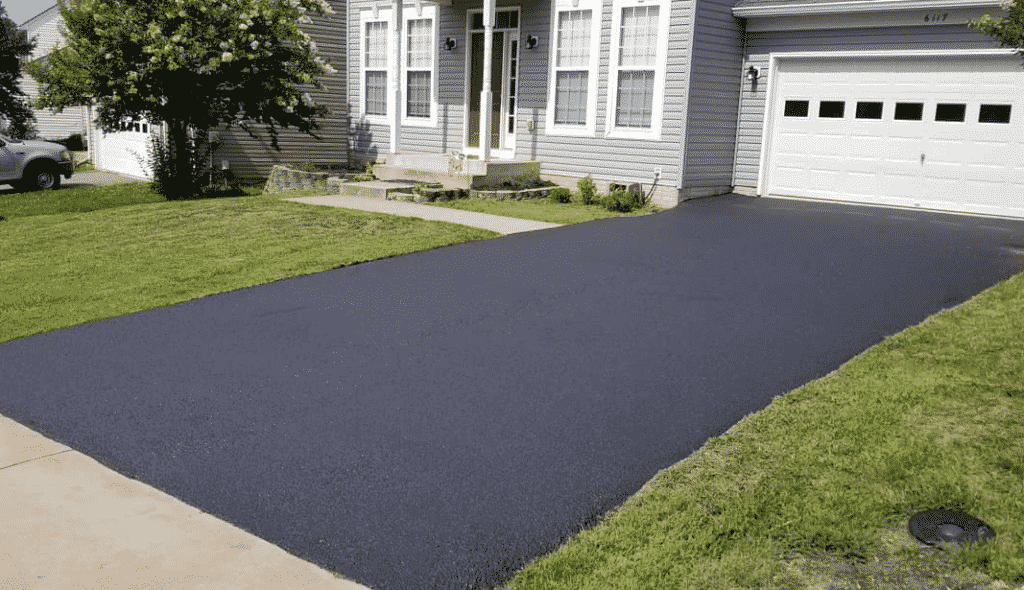
Asphalt pavements show sturdiness and resilience over a prolonged duration, mirroring the long-term performance of Hot Mix Asphalt (HMA) Furthermore, improvements in HMA technology, such as the use of polymer-modified binders and cozy mix asphalt, have additionally enhanced the resilience and long life of HMA pavements. By prioritizing top quality construction and upkeep methods, HMA continues to verify itself as a economical and lasting site solution for resilient sidewalk infrastructure.

HMA: Sturdiness and Sustainability
Demonstrating both longevity and sustainability, Hot Mix Asphalt (HMA) has ended up being a cornerstone in the building of lasting sidewalk facilities - hot mix asphalt. HMA's toughness stems from its capacity to endure heavy lots, severe climate condition, and high website traffic volumes, making it a dependable selection for roadways, freeways, and airport terminal runways. The composition of HMA, which normally includes accumulations, binder, and filler, plays a critical role in boosting its long life and resistance to deterioration
Moreover, HMA's sustainability exists in its recyclability and energy-efficient production process. The capacity to recycle reclaimed asphalt sidewalk (RAP) in new HMA combinations decreases the need for virgin products and reduces the environmental influence of sidewalk building and upkeep. Additionally, the energy performance of generating HMA hinges on its lower blending temperatures compared to other pavement materials, causing lowered energy intake and greenhouse gas emissions.
Conclusion
In verdict, warm mix asphalt (HMA) provides a sustainable solution for sidewalk with its ecologically pleasant features. HMA's recyclability, power efficiency in manufacturing, and lasting toughness make it an environment-friendly option for road construction.
HMA is one of additional info the most recycled products in the United States, with over 100 million lots of reclaimed asphalt sidewalk (RAP) being reused annually in brand-new pavement construction.The process of reusing HMA involves crushing the existing sidewalk, squashing it into smaller sized pieces, and blending it with new accumulation and asphalt binder to produce a recycled mix.Asphalt pavements show sturdiness and resilience over an extensive period, showing the long-term performance of Warm Mix Asphalt (HMA) In addition, advancements in HMA technology, such as the use of polymer-modified binders and cozy mix asphalt, the original source have additionally enhanced the durability and durability of HMA pavements. The ability to reuse recovered asphalt pavement (RAP) in new HMA mixtures lowers the need for virgin materials and minimizes the environmental influence of pavement building and upkeep.